Yoga Breathing Techniques For Stress Relief Naturally
Stress affects both the body and the mind. It can influence sleep quality, concentration, digestion, muscle tension, and emotional balance. While occasional stress is a normal part of life, ongoing stress may interfere with daily functioning and overall health. Yoga breathing techniques offer a simple and effective way to calm the nervous system and restore mental clarity without requiring special equipment or extensive training.
These breathing methods, often referred to as controlled breathing practices in yoga traditions, help regulate the body’s response to stress by slowing heart rate, improving oxygen flow, and encouraging relaxation. When practiced consistently, they support long term emotional resilience and physical comfort.
This guide explains how yoga breathing techniques work and how specific methods can help reduce stress naturally.
How Breathing Influences Stress Levels
Breathing patterns change automatically during stress. Many people begin breathing more quickly and shallowly when they feel anxious or overwhelmed. This response activates the body’s alert system and increases muscle tension.
Slow and controlled breathing supports relaxation by:
- Lowering heart rate
- Reducing muscle tightness
- Improving oxygen circulation
- Supporting mental focus
- Encouraging emotional balance
Practicing breathing awareness regularly helps the body respond more calmly during stressful situations.
Why Yoga Breathing Techniques Are Effective For Natural Stress Relief
Yoga breathing techniques improve communication between the brain and the nervous system. These practices activate the relaxation response, which counteracts the physical effects of stress.
Benefits of controlled breathing include:
- Improved emotional stability
- Reduced mental tension
- Better sleep quality
- Enhanced concentration
- Increased body awareness
Because breathing can be practiced anywhere, it provides a flexible and accessible stress management strategy.
Diaphragmatic Breathing Supports Deep Relaxation
Diaphragmatic breathing encourages deeper airflow into the lungs and helps activate the body’s relaxation response.
To practice diaphragmatic breathing:
- Sit or lie comfortably
- Place one hand on your abdomen
- Inhale slowly through your nose
- Allow the abdomen to rise naturally
- Exhale slowly through your mouth
This method supports steady breathing patterns and reduces physical tension.
Practicing diaphragmatic breathing daily improves stress management capacity over time.
Alternate Nostril Breathing Improves Mental Balance
Alternate nostril breathing supports emotional balance and mental clarity by encouraging steady breathing rhythm.
Steps include:
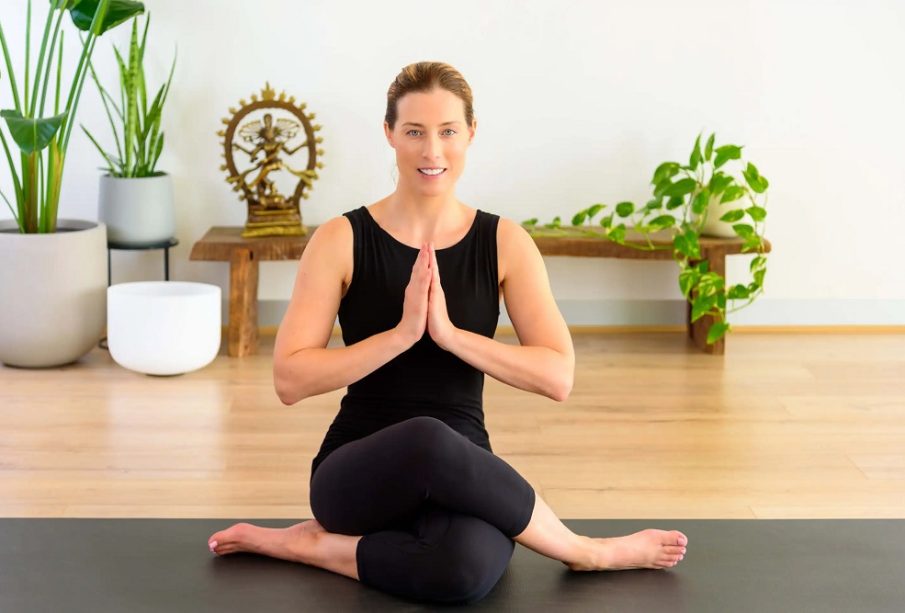
- Sit comfortably with an upright spine
- Close one nostril gently
- Inhale through the open nostril
- Switch nostrils
- Exhale slowly
- Continue alternating sides
This breathing method helps reduce mental restlessness and improves focus.
Box Breathing Encourages Calm Focus
Box breathing involves equal timing for inhaling, holding, exhaling, and pausing before the next breath.
To practice box breathing:
- Inhale slowly for four seconds
- Hold for four seconds
- Exhale for four seconds
- Pause for four seconds
Repeating this pattern helps regulate breathing rhythm and improves concentration during stressful situations.
Equal Breathing Promotes Emotional Stability
Equal breathing focuses on matching inhale and exhale duration. This balanced breathing rhythm encourages relaxation and mental clarity.
Steps include:
- Sit comfortably
- Inhale slowly through the nose
- Exhale for the same length of time
- Maintain steady breathing cycles
Practicing equal breathing regularly supports emotional regulation.
Cooling Breath Helps Reduce Physical Stress Symptoms
Cooling breath techniques help reduce physical sensations associated with stress such as increased body heat or tension.
To practice:
- Sit comfortably
- Inhale slowly through slightly parted lips
- Exhale through the nose
This method promotes calmness and supports body temperature regulation.
Extended Exhale Breathing Encourages Nervous System Relaxation
Extending the length of the exhale activates the body’s natural relaxation response.
To practice:
- Inhale slowly through the nose
- Exhale more slowly than the inhale
- Continue several breathing cycles
This technique supports calm thinking and reduces physical tension.
When To Practice Yoga Breathing Techniques For Best Results
Breathing exercises are effective at many times throughout the day.
Helpful practice times include:
- Before starting daily tasks
- During work breaks
- Before sleep
- After physical activity
- During emotionally challenging moments
Short sessions practiced consistently support lasting stress relief.
Combining Breathing Techniques With Gentle Movement
Breathing exercises become even more effective when combined with gentle stretching or posture awareness.
Examples include:
- Sitting upright during breathing practice
- Practicing breathing during walking
- Combining breathing with shoulder relaxation movements
- Using breathing during yoga stretches
Movement helps reinforce relaxation signals within the body.
Creating A Daily Breathing Practice Routine
A simple breathing routine can be completed within minutes.
Example sequence:
- Begin with diaphragmatic breathing
- Continue with equal breathing
- Finish with extended exhale breathing
Practicing this sequence daily supports emotional stability.
Consistency is more important than duration.
Common Mistakes To Avoid During Breathing Practice
Avoiding certain habits improves effectiveness.
Common mistakes include:
- Breathing too quickly
- Holding breath too forcefully
- Practicing in uncomfortable positions
- Skipping regular practice
- Expecting immediate results
Gentle and steady breathing produces the best outcomes.
Long Term Benefits Of Yoga Breathing Techniques
Regular breathing practice supports both physical and mental health.
Long term benefits include:
- Improved sleep quality
- Reduced muscle tension
- Enhanced emotional balance
- Better concentration
- Improved posture awareness
- Increased stress tolerance
These improvements support overall wellness.
Frequently Asked Questions
How long should breathing exercises be practiced each day for stress relief
Practicing breathing techniques for five to ten minutes daily can provide noticeable benefits when performed consistently.
Can breathing techniques help reduce stress during busy workdays
Yes short breathing sessions during breaks can help calm the nervous system and improve focus.
Are yoga breathing techniques safe for beginners
Most breathing techniques are gentle and suitable for beginners when practiced comfortably and gradually.
Can breathing exercises improve sleep quality
Controlled breathing helps relax the body before bedtime which often supports improved sleep patterns.
Should breathing exercises be done sitting or lying down
Both positions are effective as long as the spine remains comfortable and breathing remains relaxed.
How quickly can breathing techniques reduce stress symptoms
Some individuals notice relaxation within minutes although consistent practice produces stronger long term results.
Can breathing exercises support emotional balance during challenging situations
Regular breathing practice strengthens the ability to remain calm and focused during stressful events.