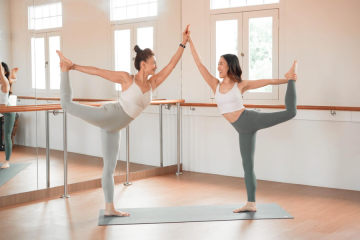
Gentle Yoga Stretches For Improving Body Posture

Good posture supports comfort, balance, breathing efficiency, and long term joint health. However, modern routines that involve extended sitting, screen use, and reduced physical activity often lead to rounded shoulders, forward head positioning, and lower back tension. Gentle yoga stretches offer a safe and effective way to restore alignment and strengthen posture without requiring advanced flexibility or intense workouts.
Yoga emphasizes controlled breathing, slow movement, and awareness of body positioning. These qualities make gentle yoga stretches especially helpful for individuals seeking gradual posture improvement. With consistent practice, posture becomes more natural and easier to maintain throughout daily activities.
This guide explains how gentle yoga stretches improve posture and provides practical movements that can be included in a daily routine.
Why Posture Matters For Overall Health
Posture affects how muscles and joints support the body during movement and rest. When posture becomes unbalanced, certain muscles tighten while others weaken. Over time, this imbalance can lead to discomfort and reduced mobility.
Healthy posture supports:
- Efficient breathing patterns
- Reduced strain on the spine
- Improved circulation
- Better balance and coordination
- Increased movement comfort
Gentle yoga stretches help restore alignment by lengthening tight muscles and strengthening supportive areas.
How Yoga Improves Postural Alignment
Yoga improves posture by combining stretching, mobility training, and body awareness. Unlike fast paced exercise routines, gentle yoga movements allow the body to adjust gradually.
Posture improves because yoga:
- Encourages spinal alignment awareness
- Reduces muscle stiffness
- Strengthens core stability
- Improves shoulder positioning
- Enhances hip flexibility
These adjustments support comfortable upright positioning throughout the day.
Mountain Pose Builds Postural Awareness
Mountain pose is a foundational yoga position that teaches proper alignment from head to feet. Although it appears simple, it strengthens posture awareness and stability.
How to practice mountain pose:
- Stand with feet hip width apart
- Keep shoulders relaxed
- Engage abdominal muscles gently
- Align head above shoulders
- Distribute weight evenly on both feet
Practicing this pose regularly improves standing posture and balance.
Cat Cow Stretch Supports Spinal Mobility
The cat cow stretch encourages movement through the entire spine. It helps reduce stiffness caused by prolonged sitting.
Steps to perform cat cow stretch:
- Begin on hands and knees
- Inhale while lowering the spine gently
- Exhale while rounding the back slowly
- Repeat several controlled cycles
This movement improves spinal flexibility and posture awareness.
Child Pose Relieves Back And Shoulder Tension
Child pose gently stretches the lower back and shoulders. It promotes relaxation and reduces tension accumulated during daily activities.
To perform child pose:
- Kneel on the floor
- Lower hips toward heels
- Extend arms forward
- Rest forehead comfortably
This stretch supports spinal relaxation and posture recovery.
Cobra Pose Strengthens The Upper Back
Cobra pose strengthens muscles that support the spine and shoulders. It counters the forward leaning posture often caused by desk work.
Steps to perform cobra pose:
- Lie face down
- Place hands beneath shoulders
- Lift chest gently
- Keep shoulders relaxed
Regular practice improves upper body alignment.
Bridge Pose Supports Hip And Spine Stability
Bridge pose strengthens the hips and lower back muscles that stabilize posture.
To perform bridge pose:
- Lie on your back with knees bent
- Keep feet flat on the floor
- Lift hips slowly
- Hold briefly before lowering
This stretch supports pelvic alignment and spinal support.
Downward Facing Dog Improves Shoulder And Back Alignment
Downward facing dog stretches multiple muscle groups simultaneously, including the shoulders, spine, and hamstrings.
How to perform downward facing dog:
- Begin on hands and knees
- Lift hips upward
- Keep arms extended
- Lengthen the spine
This pose improves full body alignment and flexibility.
Seated Forward Fold Releases Lower Back Tension
Seated forward fold gently stretches the hamstrings and lower back. Tight hamstrings often contribute to poor posture.
Steps include:
- Sit with legs extended
- Reach forward slowly
- Keep the spine lengthened
- Hold comfortably
Regular practice improves pelvic positioning.
Standing Side Stretch Improves Spinal Flexibility
Standing side stretch lengthens muscles along the sides of the torso and improves spinal movement.
To perform:
- Stand upright
- Raise one arm overhead
- Lean gently to one side
- Repeat on both sides
This stretch supports balanced posture and movement comfort.
Shoulder Rolls Reduce Upper Body Tension
Shoulder rolls improve mobility in the upper back and shoulders.
Steps include:
- Lift shoulders toward ears
- Roll backward slowly
- Repeat several times
This movement reduces stiffness and improves shoulder alignment.
Chest Opening Stretch Counters Rounded Shoulders
Chest opening stretches lengthen muscles shortened by prolonged sitting.
To perform:
- Stand upright
- Clasp hands behind the back
- Lift arms slightly
- Open the chest gently
This stretch improves breathing and upper body posture.
Best Time To Practice Gentle Yoga For Posture Improvement
Gentle yoga stretches can be performed at different times throughout the day depending on individual routines.
Helpful practice times include:
- Morning sessions for mobility preparation
- Midday breaks during desk work
- Evening relaxation routines
Short sessions practiced consistently produce lasting improvements.
How Often Gentle Yoga Should Be Practiced
Consistency supports gradual posture improvement. Practicing gentle yoga three to five times per week often produces noticeable benefits.
Even brief sessions lasting ten minutes can:
- Reduce muscle stiffness
- Improve spinal alignment
- Increase flexibility
- Support balance
Regular practice builds long term posture awareness.
Common Mistakes To Avoid During Gentle Yoga Practice
Avoiding certain habits improves safety and results.
Common mistakes include:
- Forcing stretches too quickly
- Holding breath during movement
- Skipping warm up movement
- Practicing inconsistently
- Ignoring body comfort signals
Gentle movement supports safe posture improvement.
Long Term Benefits Of Gentle Yoga For Posture
Posture improvement develops gradually through repeated movement and awareness.
Long term benefits include:
- Reduced neck tension
- Improved spinal alignment
- Greater shoulder mobility
- Enhanced breathing efficiency
- Increased balance stability
- Better movement coordination
These improvements support both comfort and confidence in daily movement.
Frequently Asked Questions
Can gentle yoga improve posture without strength training
Gentle yoga strengthens supportive muscles while improving flexibility which helps posture improve gradually even without separate strength routines.
How long does it take to notice posture improvement from yoga
Many individuals begin noticing changes within several weeks of consistent practice depending on their starting flexibility and movement habits.
Is gentle yoga suitable for beginners with limited flexibility
Yes gentle yoga stretches are designed to improve flexibility gradually and can be adjusted to match individual comfort levels.
Can gentle yoga reduce discomfort caused by desk work
Gentle yoga stretches reduce stiffness in the shoulders hips and lower back which often improves comfort after prolonged sitting.
Should yoga stretches be done before or after walking
Light stretches may be performed before walking while deeper stretches are often more comfortable after muscles become warm.
Does breathing technique affect posture improvement during yoga
Controlled breathing supports muscle relaxation which allows stretches to improve alignment more effectively.
Can gentle yoga help maintain posture improvements long term
Consistent practice strengthens awareness and flexibility which helps maintain posture improvements over time.