
How Chiropractors Correct Spinal Misalignments
Spinal misalignments, also known as subluxations, can lead to a variety of health issues that affect the nervous system, muscles, joints, and even the organs. Whether caused by poor posture, accidents, or daily wear and tear, misalignments in the spine can hinder the proper functioning of the body. Chiropractors specialize in identifying and correcting these misalignments through safe and effective methods, helping restore balance and promote overall health. In this article, we will explore how chiropractors correct spinal misalignments, the techniques they use, and the benefits of chiropractic care for spinal health.
Understanding Spinal Misalignments
The spine is a complex structure made up of 33 vertebrae that protect the spinal cord and support the body. When one or more of these vertebrae move out of alignment, they can cause pressure on the spinal nerves, leading to pain, discomfort, and dysfunction in various parts of the body. Misalignments may be caused by factors such as trauma, poor posture, repetitive stress, or even genetic predisposition.
Common symptoms of spinal misalignments include neck pain, back pain, headaches, limited range of motion, muscle tension, and tingling or numbness in the arms and legs. If left untreated, spinal misalignments can contribute to long-term health problems, affecting not just the spine but also the overall function of the body.
How Chiropractors Diagnose Spinal Misalignments
The first step in correcting spinal misalignments is accurate diagnosis. Chiropractors are trained to evaluate the spine thoroughly and identify any misalignments. The diagnostic process typically begins with a detailed consultation, during which the chiropractor will ask about your medical history, lifestyle, posture, and any symptoms you are experiencing.
After gathering this information, the chiropractor will perform a physical examination, which may include evaluating your posture, range of motion, and muscle strength. They will also palpate (feel) the spine to detect areas of tenderness, tightness, or irregularities in alignment. In some cases, the chiropractor may use diagnostic imaging, such as X-rays, to get a clearer view of the spine and detect any abnormalities.
By carefully assessing the spine and its surrounding tissues, chiropractors can pinpoint the exact location and nature of the misalignment. This allows them to develop a personalized treatment plan tailored to address your specific needs.
Chiropractic Techniques for Correcting Spinal Misalignments
Once a spinal misalignment has been identified, chiropractors use a variety of techniques to correct it. The goal of chiropractic care is to restore the spine to its natural alignment, reduce pain, and improve overall function. Below are some of the most common chiropractic techniques used to address spinal misalignments:
- Spinal Adjustments (Manipulations)
Spinal adjustments, also known as spinal manipulations, are the most widely recognized chiropractic technique for correcting misalignments. During a spinal adjustment, the chiropractor applies controlled force to specific vertebrae to restore them to their proper position. This can help alleviate pressure on the spinal nerves, reduce inflammation, and improve the function of the nervous system.
Spinal adjustments are typically performed using the chiropractor’s hands or specialized instruments. The chiropractor will carefully position the patient and apply a quick, precise thrust to the misaligned vertebra. This technique can provide immediate relief from pain, stiffness, and discomfort caused by spinal misalignments.
- Cox Flexion-Distraction Technique
The Cox Flexion-Distraction technique is a gentle and non-invasive method used to correct spinal misalignments in the lower back, particularly for conditions such as herniated discs or sciatica. This technique involves the use of a specialized chiropractic table that gently stretches and flexes the spine. The chiropractor uses slow, rhythmic movements to create a traction effect, which helps decompress the spinal discs and reduce pressure on the nerves.
The Cox technique can provide relief from back pain, improve mobility, and promote the healing of damaged tissues. It is particularly beneficial for individuals who may have difficulty tolerating more traditional spinal adjustments due to pain or discomfort.
- Thompson Drop-Table Technique
The Thompson Drop-Table technique is another method used by chiropractors to correct spinal misalignments. This technique involves the use of a specialized table with sections that drop slightly when the chiropractor applies pressure. The drop mechanism helps to amplify the force of the adjustment, making it easier for the chiropractor to realign the spine without the need for excessive force.
This technique is particularly useful for treating misalignments in the lower back, pelvis, and extremities. It is often used in combination with other chiropractic techniques to provide a comprehensive approach to spinal correction.
- Activator Method
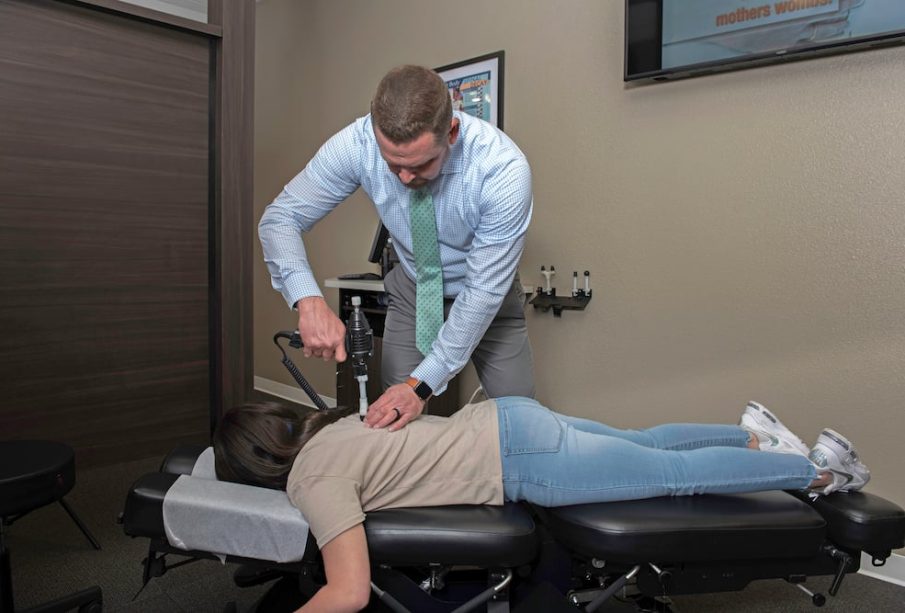
The Activator Method is a low-force chiropractic technique that uses a small handheld instrument called an Activator. This instrument delivers a gentle impulse to specific areas of the spine to help restore proper alignment. The Activator is designed to be a precise and controlled tool that allows chiropractors to adjust the spine with minimal discomfort to the patient.
The Activator Method is often used for individuals who prefer a gentler approach to spinal adjustments, such as those with osteoporosis, arthritis, or sensitive spines. Despite its gentle nature, this technique can be highly effective in addressing misalignments and improving spinal function.
- Pelvic Blocking Techniques
Pelvic blocking is a technique used to address misalignments in the pelvis and lower spine. The chiropractor places cushioned blocks under the patient’s pelvis to create a gentle traction effect, which helps to realign the spine and reduce pressure on the lower back. This technique is often used for conditions such as sciatica, pelvic pain, and disc issues.
Pelvic blocking is a gentle method that can be used in combination with other chiropractic treatments to provide relief and promote healing in the affected area.
Benefits of Correcting Spinal Misalignments with Chiropractic Care
Correcting spinal misalignments through chiropractic care offers numerous benefits for both short-term relief and long-term health. Here are some of the key advantages of chiropractic treatment for spinal misalignments:
- Pain Relief – Chiropractic adjustments can provide immediate relief from pain caused by misalignments, including neck pain, back pain, and headaches. By realigning the spine and relieving pressure on the nerves, chiropractic care helps reduce inflammation and improve circulation, leading to faster healing.
- Improved Mobility – Spinal misalignments can limit your range of motion and make movement painful. Chiropractic adjustments restore proper alignment and function to the spine, improving flexibility and mobility.
- Enhanced Nervous System Function – The spine plays a crucial role in protecting the spinal cord and nerves. Correcting misalignments helps optimize the nervous system’s function, leading to better communication between the brain and the rest of the body.
- Preventative Care – Regular chiropractic adjustments can help prevent future spinal misalignments by maintaining proper posture, reducing muscle tension, and improving overall spinal health. Preventative care can also reduce the risk of injury and help you maintain an active lifestyle.
- Holistic Approach – Chiropractic care is a natural and non-invasive treatment option. It focuses on addressing the root cause of spinal misalignments rather than just masking the symptoms. This holistic approach promotes long-term wellness without the need for medications or surgery.
When to Seek Chiropractic Care for Spinal Misalignments
If you are experiencing persistent pain, discomfort, or limited mobility due to a spinal misalignment, it may be time to seek chiropractic care. Chiropractors are trained to assess and treat a wide range of musculoskeletal conditions, including spinal misalignments. By consulting a chiropractor, you can receive a personalized treatment plan to correct the misalignment, alleviate pain, and restore your overall spinal health.