The Science of Longevity: How a Gym Membership in Singapore Shapes Biological Age and Lifespan

In Singapore, conversations about ageing and wellness are no longer limited to healthcare plans or retirement goals. A new generation of professionals is actively pursuing longevity through fitness, nutrition, and lifestyle balance. The idea of living longer is now tied to living better, and one of the most practical ways to support that goal is by committing to a gym membership Singapore.
Science continues to show that consistent physical training can slow biological ageing, enhance cellular repair, and reduce the risk of chronic diseases. For many Singaporeans, regular workouts are not just about aesthetics—they’re a long-term investment in vitality and independence.
Understanding the Difference Between Chronological and Biological Age
Your chronological age is the number of years you’ve lived. Your biological age, on the other hand, represents how old your body actually functions. Two people aged 45 can have vastly different biological profiles depending on their activity levels, diet, and stress management.
Gym training, particularly when structured and consistent, plays a direct role in improving biological markers associated with youthfulness. These include:
-
Muscle mass retention: Active individuals preserve lean muscle, preventing frailty and reducing the risk of falls.
-
Cardiovascular efficiency: Regular exercise strengthens the heart and improves blood circulation.
-
Hormonal balance: Exercise helps regulate insulin, cortisol, and growth hormone levels.
-
Cellular regeneration: Physical activity enhances mitochondrial health, slowing the decline of cell energy production.
This biological rejuvenation means that someone in their 50s who trains regularly can feel, move, and function like someone a decade younger.
The Singapore Context: Why Longevity Matters Now More Than Ever
Singapore ranks among the top countries globally for life expectancy, with many citizens expected to live well into their 80s. However, this longevity comes with challenges. A longer life doesn’t always guarantee good health, and chronic conditions such as hypertension, diabetes, and obesity are increasingly common in middle age.
In this context, regular exercise through a structured gym membership has become essential for long-term wellness. It helps Singaporeans maintain functional independence, reducing the need for medical intervention later in life.
Moreover, with Singapore’s focus on healthy ageing initiatives, fitness is being embraced not only as a personal pursuit but also as part of national policy.
How Exercise Slows Down Ageing at the Cellular Level
Scientific studies have confirmed that regular physical activity influences the length and integrity of telomeres—the protective caps at the end of DNA strands. Shorter telomeres are linked to ageing and disease. Exercise helps preserve these structures, keeping cells healthier for longer.
Other age-related benefits include:
-
Reduced inflammation: Regular training lowers systemic inflammation that accelerates tissue damage.
-
Enhanced antioxidant activity: Exercise boosts the body’s ability to neutralise free radicals.
-
Improved oxygen utilisation: Active muscles use oxygen more efficiently, supporting endurance and vitality.
-
Stronger immune response: Fit individuals are less prone to infections and recover faster when ill.
This is the biological foundation behind the popular phrase “exercise is medicine.” It literally helps your body regenerate and maintain youth from within.
Types of Gym Training That Support Longevity
Not all exercise produces the same anti-ageing effects. The key is a balanced program that supports strength, flexibility, endurance, and recovery.
In Singapore’s climate and lifestyle context, the following approaches work best:
-
Strength training: Builds muscle mass, improves bone density, and supports joint stability.
-
Cardiovascular workouts: Enhance heart health, lung capacity, and endurance.
-
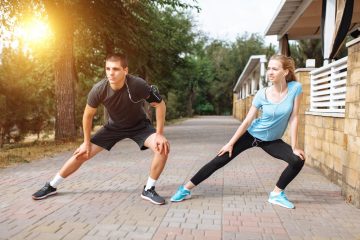
Mobility and flexibility sessions: Prevent stiffness and maintain range of motion.
-
High-intensity interval training (HIIT): Boosts metabolic rate and promotes fat oxidation.
-
Mind-body practices: Yoga and Pilates aid in posture, balance, and relaxation.
A well-designed gym plan combines these elements to ensure comprehensive wellness. Many fitness professionals also recommend active recovery routines to prevent overtraining, which can have the opposite effect on health.
How Consistency Builds Longevity
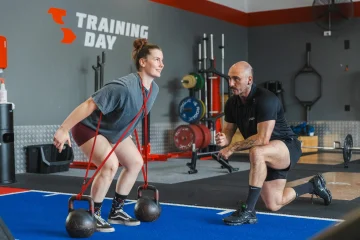
Longevity is not achieved by occasional effort but by consistent discipline. In Singapore’s busy urban environment, structured gym memberships help individuals stay accountable. The regularity of a schedule, access to equipment, and social motivation all support adherence.
Some practical tips to build consistency include:
-
Setting specific, measurable fitness goals.
-
Scheduling workouts at fixed times like business meetings.
-
Tracking progress with wearable devices or gym apps.
-
Joining group classes for motivation.
-
Rewarding milestones to reinforce positive habits.
This consistency ensures long-term benefits that compound over time, similar to financial investments.
The Mind-Body Connection in Ageing Well
Mental wellness is a crucial but often overlooked part of the ageing process. Chronic stress accelerates biological ageing through cortisol spikes, sleep disruption, and inflammation. Regular gym sessions act as natural stress relievers, releasing endorphins and serotonin that balance mood and improve emotional health.
Gym workouts also improve cognitive performance by increasing blood flow to the brain. Studies show that regular exercise supports memory, focus, and problem-solving abilities—all of which decline with age when neglected.
This psychological benefit complements the physical transformation, creating a complete wellness cycle that supports graceful ageing.
Nutrition’s Role in Fitness Longevity
Exercise alone cannot deliver full anti-ageing benefits without proper nutrition. A balanced diet supports muscle repair, hormonal balance, and sustained energy. In Singapore’s multicultural food environment, the challenge lies in making nutritious choices without sacrificing local flavours.
Effective dietary practices include:
-
Choosing lean proteins such as fish, tofu, and eggs for muscle recovery.
-
Prioritising whole grains over refined carbohydrates.
-
Eating colourful vegetables rich in antioxidants.
-
Staying hydrated, especially in Singapore’s humid weather.
-
Limiting processed food and excess sugar intake.
When combined with consistent workouts, these habits create a powerful synergy that supports both longevity and vitality.
Real-Life Impact: Stories of Active Ageing in Singapore
Across the island, many older Singaporeans are proving that age is just a number. Fitness enthusiasts in their 50s and 60s are joining gyms not for vanity but to stay mobile and independent. Some have even shared how regular exercise reversed early signs of hypertension or diabetes.
Younger professionals are equally committed. Many view fitness not as an afterthought but as an integral part of their identity. For them, investing in their health early ensures that they can maintain an active lifestyle well into later years.
These real-life transformations show that the benefits of a gym membership extend far beyond physical appearance—they redefine ageing itself.
How Singapore’s Fitness Ecosystem Supports Longevity
Singapore’s well-developed fitness ecosystem makes it easier than ever to maintain a lifelong exercise routine. The country’s emphasis on urban wellness means that gyms, parks, and health initiatives are easily accessible.
Through partnerships between corporations, health boards, and fitness providers such as True Fitness Singapore, citizens can take advantage of structured programs that cater to all age groups. These partnerships ensure that wellness remains inclusive, adaptable, and aligned with Singapore’s broader national vision of healthy ageing.
Why Longevity Is About More Than Just Living Longer
True longevity is about living with strength, energy, and purpose. Gym training instils discipline, community connection, and self-awareness—all of which are crucial for a fulfilling life. Singapore’s cultural focus on progress and self-improvement aligns perfectly with this philosophy.
Fitness not only extends lifespan but also expands “healthspan”—the period of life spent free from disease and dependence. That distinction is what drives more people to commit to sustainable exercise habits that preserve both body and mind.
FAQs
Q1: How often should I train at the gym to support healthy ageing?
Most experts recommend at least 150 minutes of moderate exercise or 75 minutes of vigorous activity weekly, including strength training twice a week.
Q2: Can someone start exercising in their 50s or 60s and still benefit?
Absolutely. The body remains adaptable at any age. Starting later may require a gradual approach, but improvements in mobility, balance, and strength are still achievable.
Q3: How does regular gym training affect lifespan?
It reduces the risk of cardiovascular disease, diabetes, and muscle loss, which are major contributors to premature ageing.
Q4: Are supplements necessary for longevity?
While supplements like omega-3s and vitamin D can help, whole foods and consistent exercise are far more impactful for long-term wellness.
Q5: How do I avoid injuries as I age?
Proper warm-ups, correct form, and guidance from certified trainers prevent strain and ensure safe progress.
Q6: What role does sleep play in fitness and ageing?
Adequate rest supports hormone balance, tissue repair, and mental recovery. Poor sleep can negate many benefits of exercise.
Q7: Is it possible to measure biological age improvement through fitness?
Yes. Advanced health screenings can measure biomarkers such as telomere length, body composition, and cardiovascular health to track biological improvements.